

Mercedes driver assistance repair is crucial for maintaining advanced safety features like lane-keeping assist and adaptive cruise control. Post-repair validation involves diagnostic scans, tests, and inspections to ensure optimal performance. System alerts monitor continuous performance, detecting potential issues. Strict quality control measures, including comprehensive testing, are essential for high safety standards in Mercedes vehicles equipped with driver assistance systems.
Mercedes cars are renowned for their advanced driver assistance systems (ADAS), enhancing safety and driving experience. When undergoing repair, ensuring these systems function optimally is crucial. This article delves into the post-repair validation process for Mercedes driver assistance repairs, highlighting its significance in maintaining safe operation. We’ll explore how the car’s system alerts validate each component, ensuring your Mercedes remains a reliable partner on the road after service.
- Understanding Mercedes Driver Assistance Systems
- Post-Repair Validation Process Explained
- Ensuring Safe Operation After Repair Work
Understanding Mercedes Driver Assistance Systems

Mercedes Driver Assistance Systems (MDAS) are a suite of advanced safety features designed to enhance driver awareness and control. These systems leverage cutting-edge technology, including sensors, cameras, and sophisticated software, to monitor various driving conditions. MDAS plays a crucial role in preventing accidents by providing real-time alerts and interventions. Features like lane-keeping assist, adaptive cruise control, and blind-spot monitoring are just a few examples of how these systems actively support drivers. Regular Mercedes driver assistance repair is essential to ensure these critical safety nets function optimally.
The post-repair process includes a validation step where the vehicle’s MDAS components are checked against a comprehensive database. This ensures that all systems are functioning correctly and effectively, aligning with Mercedes’ high standards for automotive repair services. Any discrepancies or issues detected during this validation will prompt further investigation into potential causes, whether related to tire services, collision repair services, or other specialized automotive repair services.
Post-Repair Validation Process Explained

After a Mercedes driver assistance repair, the post-repair validation process plays a crucial role in ensuring the system’s effectiveness and reliability. This involves a meticulous series of checks conducted by trained technicians. The process begins with a diagnostic scan to verify that all components are functioning optimally and that no error codes exist. This is followed by a series of automated tests designed to mimic real-world driving scenarios, allowing the system to prove its capabilities in enhancing safety and efficiency.
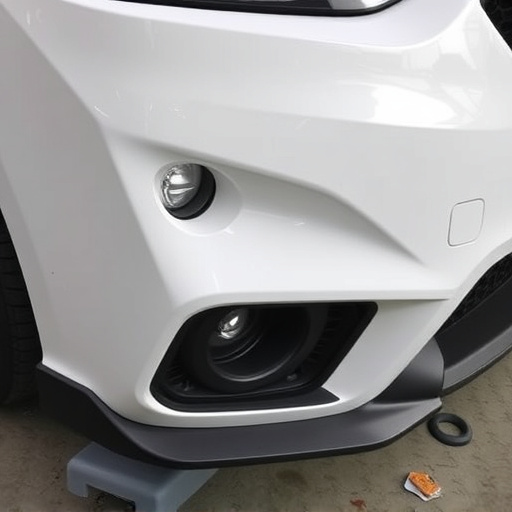
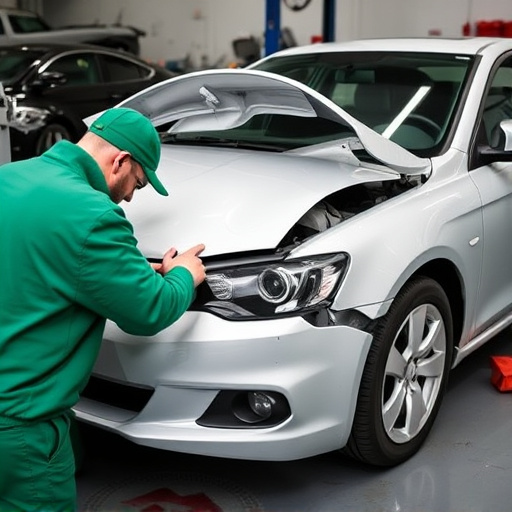
The validation goes beyond simple functionality checks. It includes visual inspections to ensure proper alignment and cosmetic repairs, especially if the repair involved any collision damage. Moreover, the post-repair alert system serves as a double-check, providing real-time feedback on the vehicle’s performance during test drives. This holistic approach guarantees that every Mercedes driver assistance feature is not just repaired but also validated for peak performance, ensuring the safety and satisfaction of every driver.
Ensuring Safe Operation After Repair Work

After a Mercedes driver assistance repair, ensuring safe operation is paramount. The post-repair system alerts play a crucial role in this process by continuously monitoring the vehicle’s performance and functionality. These alerts are designed to detect any anomalies or residual issues that may have been overlooked during the initial repair work, thus safeguarding both drivers and other road users.
In light of the above, trusted auto collision centers specializing in Mercedes repairs must adhere to stringent quality control measures. This includes comprehensive testing of all driver assistance systems, such as adaptive cruise control, lane-keeping assist, and blind spot monitoring, among others. Similarly, for classic car restoration projects, meticulous attention to detail is essential to guarantee not just aesthetic perfection but also the safety features that modern vehicles offer, enhancing the overall driving experience.
Mercedes driver assistance repair involves a rigorous process of post-repair system alerts and validation. By understanding these systems and ensuring safe operation after repairs, drivers can benefit from enhanced safety features. The integration of advanced technology in modern cars demands meticulous attention to detail during the repair process. Thus, validating Mercedes driver assistance systems through comprehensive testing guarantees optimal performance and peace of mind for owners, ensuring a safer driving experience.